
Operational carbon, the emissions produced while a building is heated, cooled, ventilated and powered day to day, now accounts for the majority of a typical building’s lifetime carbon footprint. As embodied carbon reporting improves and net zero targets tighten, the mechanical systems behind the walls are getting far more scrutiny than they used to. The good news is that smarter mechanical design offers some of the most cost-effective carbon savings available, often without touching the building’s fabric or footprint at all.
Start with the energy centre
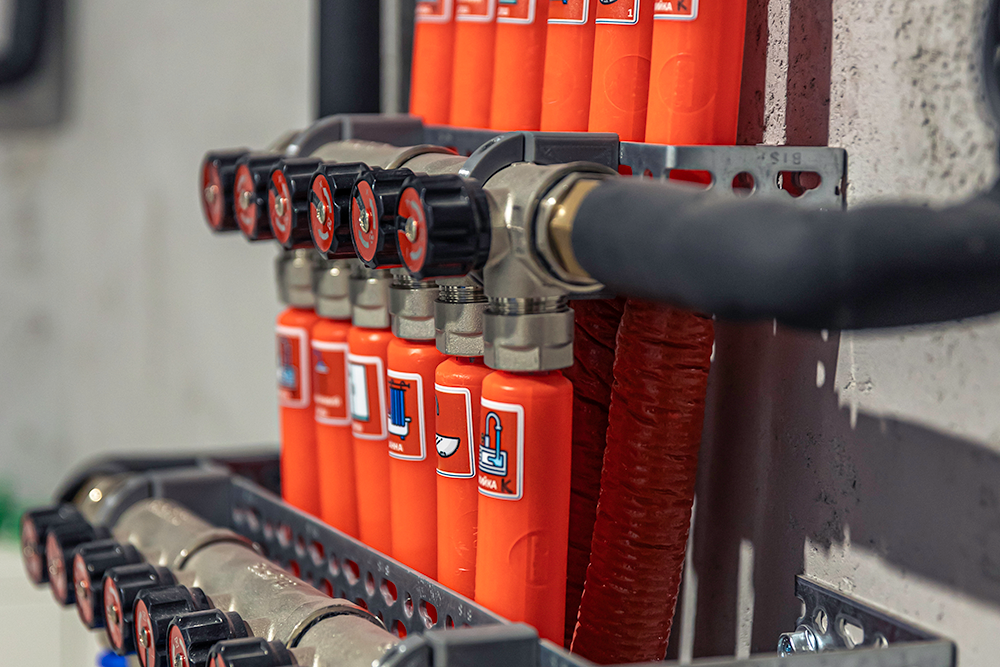
The energy centre is the heart of a building’s mechanical strategy, and it’s usually where the biggest carbon gains are made. Moving away from gas-fired systems towards low-temperature heating networks paired with heat pumps can cut operational emissions significantly, particularly on residential schemes where heat demand is constant and predictable. Getting the energy centre design right at the outset also avoids costly retrofit work later, which is why early engagement with a specialist design team matters more than most clients expect.
Design low-temperature systems from day one
Low-temperature heating systems work best when they’re designed in from the start rather than bolted on. Oversized radiators, larger pipe diameters and carefully calculated flow temperatures all help heat pumps and other low-carbon sources run efficiently, rather than being forced to work harder than they should. This kind of detail rarely gets attention on a rushed programme, but it has a real, measurable effect on running costs and emissions for the life of the building.
Get ventilation and HVAC working with the building, not against it
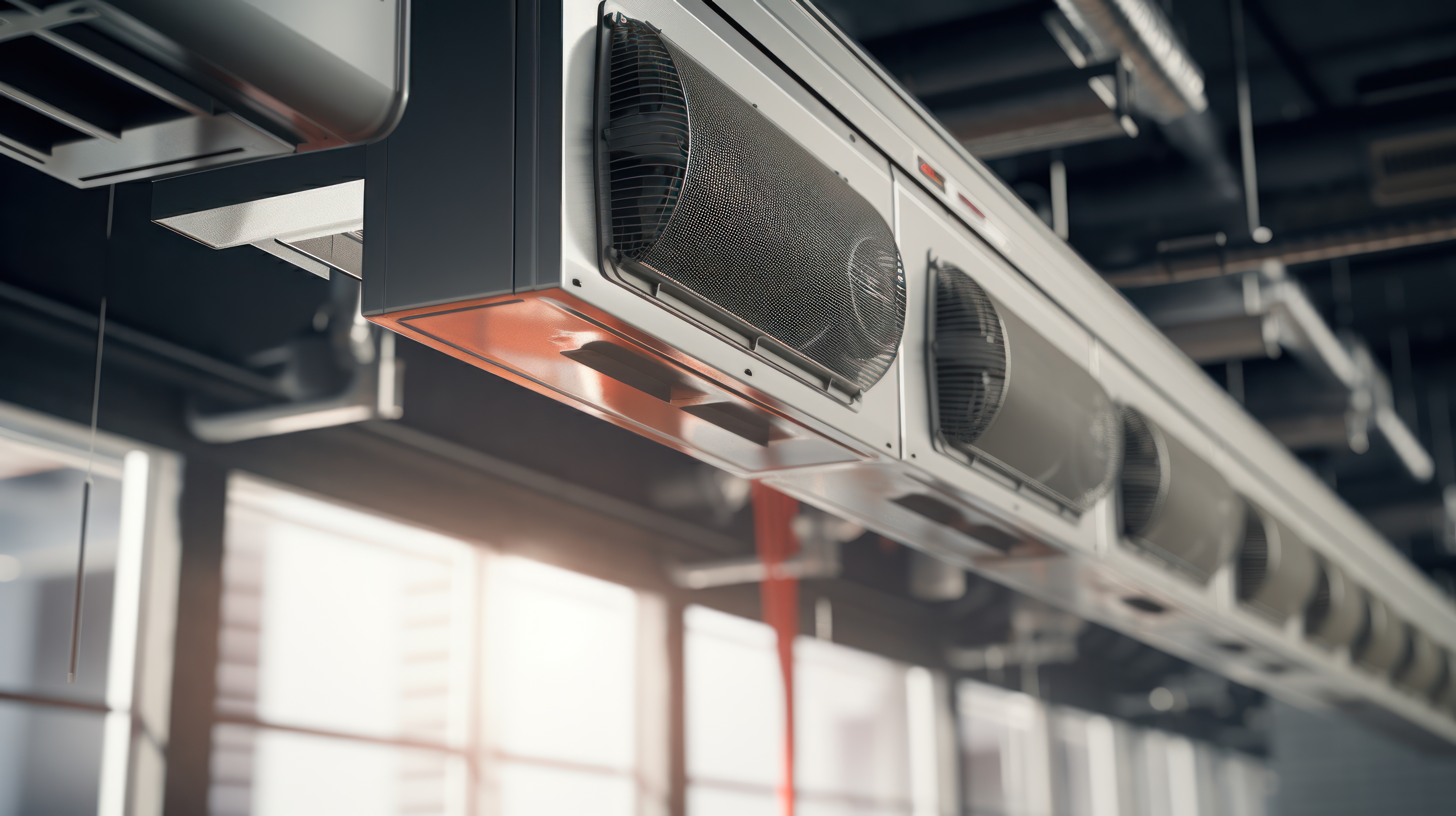
Ventilation and HVAC systems are often specified generically, then left to run at fixed settings regardless of actual occupancy or demand. Smarter mechanical design means specifying systems with the controls and zoning to respond to how a building is actually used, so plant isn’t working overtime to heat or cool empty space. On large residential and student accommodation schemes, this alone can make a meaningful dent in operational energy use.
Don’t overlook water treatment and drainage
Water treatment and drainage rarely get billed as carbon-saving measures, but poorly maintained systems place unnecessary strain on pumps, heating plant and overall system efficiency. Correctly specified water treatment protects the mechanical systems it serves, helping heat pumps, boilers and pumps run as designed rather than degrading in performance over time.
Build in a full-service approach
The biggest carbon savings come from treating design, installation and ongoing maintenance as one continuous process rather than three separate jobs handed to different contractors. A system that’s designed efficiently but installed poorly, or maintained inconsistently, will never hit its carbon targets on paper. Working with one team across the full lifecycle, from initial design consultation through to servicing and support, keeps performance aligned with what was originally specified.
The bottom line
Reducing a building’s operational carbon isn’t about a single technology or product. It’s about the cumulative effect of good decisions made early in the mechanical design process, from the energy centre through to ventilation, water treatment and ongoing maintenance. For property managers and developers working on residential and commercial schemes across the South East, that means bringing in mechanical expertise at the design stage, not once the building is already built.
Get in touch with Balance Mechanical to talk through the mechanical strategy for your next project.