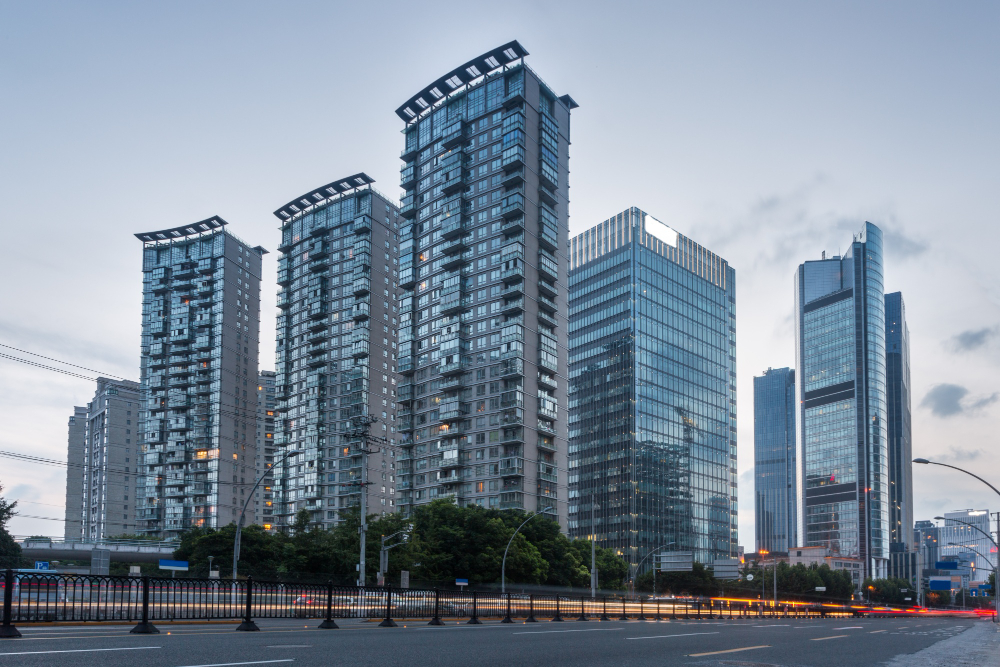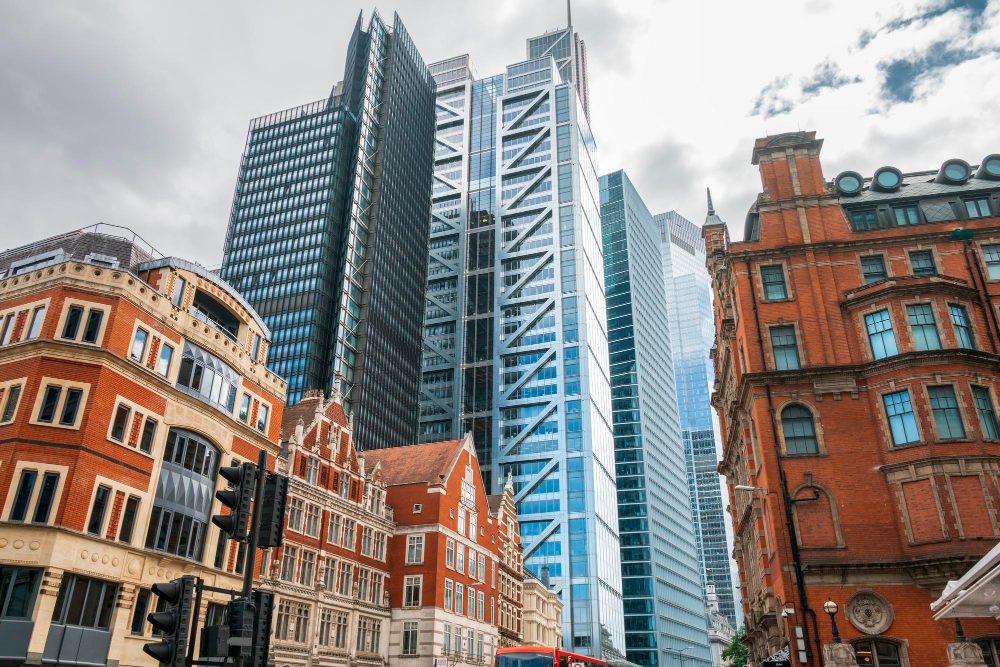
As UK residential developments grow denser and net zero targets edge closer, energy centres are becoming a defining feature of how new buildings are designed, built and run. What was once a niche piece of plant tucked away in a basement is now central to a development’s environmental performance, running costs and long-term value.
What an energy centre actually does
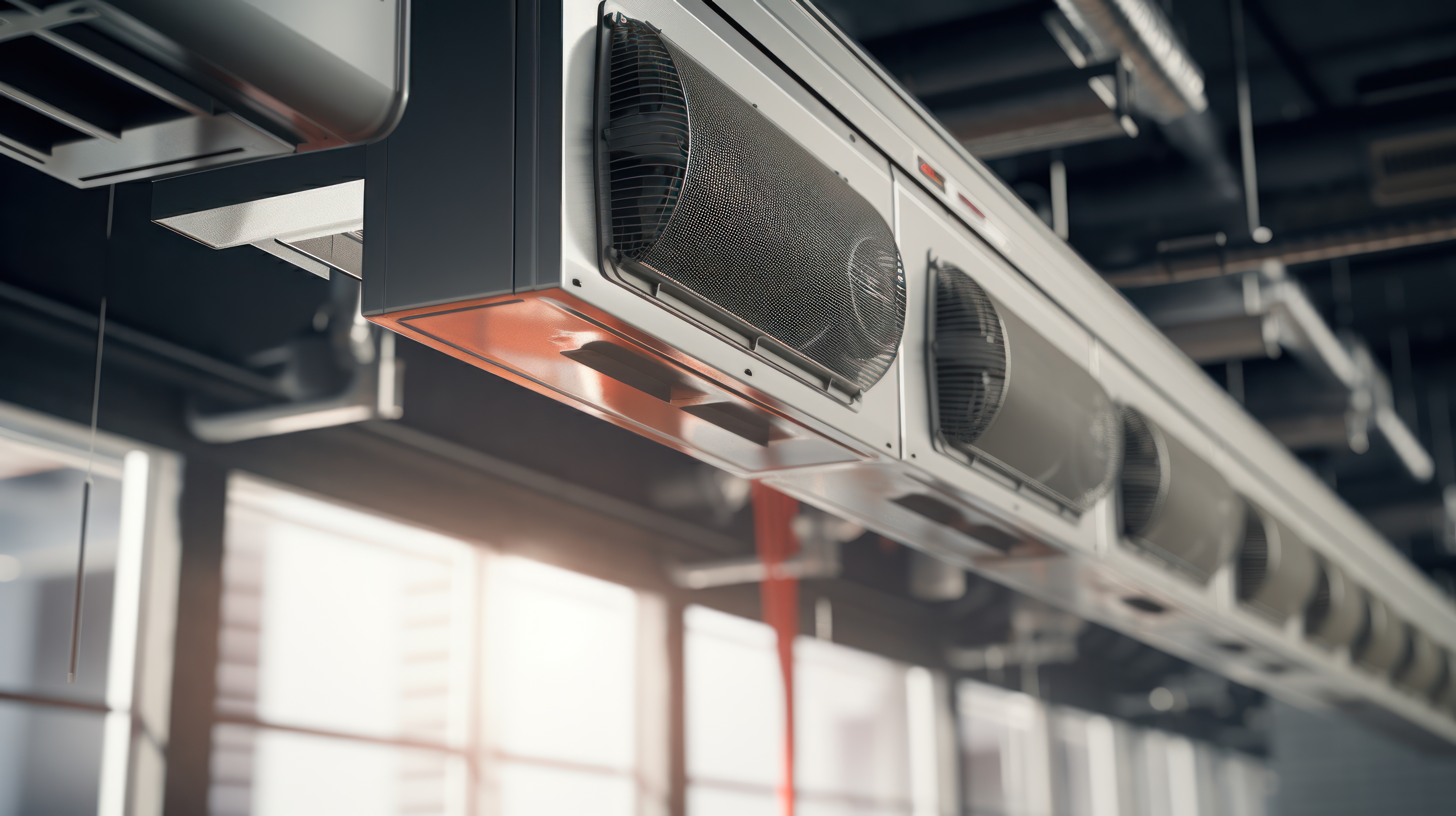
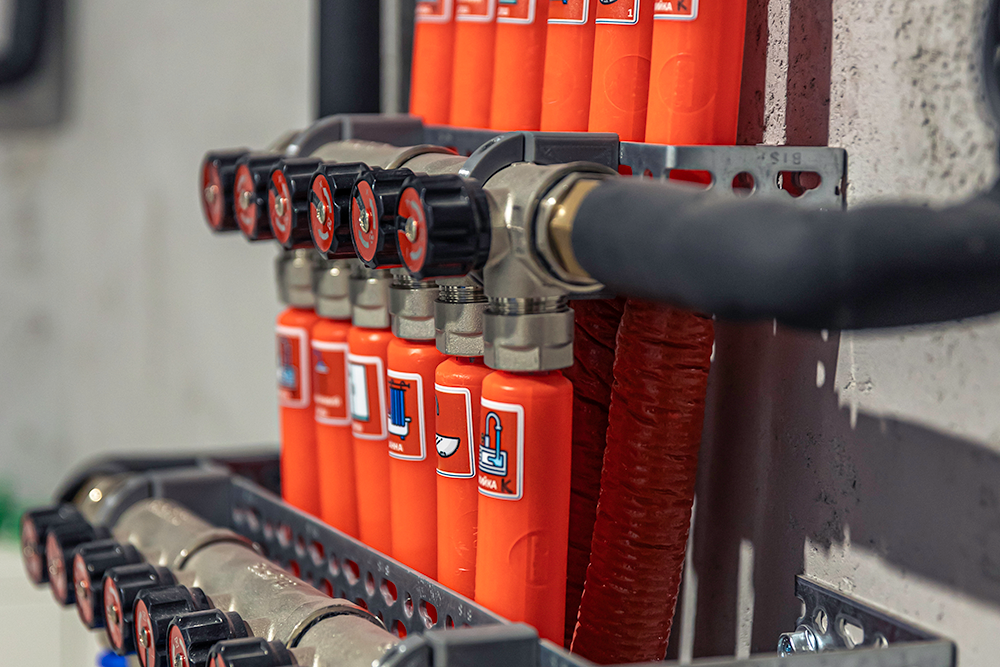
An energy centre is the beating heart of a building’s heating and hot water system. Rather than every apartment having its own boiler, a centralised plant room generates heat and distributes it across the development through a network of pipework, often paired with a communal or district heating system. This approach is already standard on large-scale schemes, from student accommodation blocks to multi-phase apartment developments.
Why demand is growing
A few forces are pushing energy centres further up the agenda for developers and property managers.
Regulatory pressure is the biggest driver. Building regulations and local planning policies increasingly favour, or require, low-carbon heat sources over traditional gas boilers. Developers who get ahead of this now avoid costly retrofits later.
Scale economics also matter. Centralising heat generation for 200 or 300 apartments is more efficient than running hundreds of individual systems, both in terms of plant costs and ongoing maintenance.
Then there is the sustainability expectation from buyers and tenants themselves. Energy performance is increasingly a selling point, not an afterthought.
Where the technology is heading
The energy centres going into developments today look quite different from those built even five years ago.
Low-temperature heating systems are becoming the norm, reducing energy losses across the network and working more efficiently with heat pumps.
Heat pump integration is accelerating as gas becomes a less viable long-term option, particularly for schemes trying to future-proof against tightening carbon targets.
Smart monitoring is also changing how energy centres are managed. Real-time data on performance and consumption lets facilities teams spot inefficiencies early, rather than waiting for a resident complaint or a failure.
What this means for property managers
For those managing residential blocks, a well-designed energy centre reduces the day-to-day burden considerably. Centralised systems are easier to service, easier to monitor and generally more resilient than trying to keep hundreds of separate units running. They also make it far simpler to demonstrate compliance and sustainability credentials to stakeholders.
Getting the design right from the start
The developments that get the most value from an energy centre are the ones where it was planned properly from day one, not bolted on as an afterthought. That means working with mechanical specialists early in the design process, before pipework routes and plant room sizes are locked in.
At Balance Mechanical, this is exactly the kind of work we do across large residential schemes, from initial design consultation through to ongoing servicing and support. If you are planning a development and want an energy centre that performs well for decades rather than years, get in touch.