Mechanical building services are fundamental to the safety, efficiency and long-term performance of any commercial or residential development. However, even the most carefully designed and installed systems can underperform without effective commissioning and a structured handover process.
For principal contractors, mechanical commissioning represents a critical stage in the construction programme. Delays, incomplete documentation and unresolved technical issues can affect practical completion, increase costs and create unnecessary complications for building operators.
Working with an experienced mechanical services contractor from the outset can help ensure a smoother transition from construction to occupation.
What is mechanical commissioning?
Mechanical commissioning is the process of testing, adjusting and verifying mechanical building services to ensure they operate in accordance with their design specifications and project requirements.
Depending on the development, this can include:
-
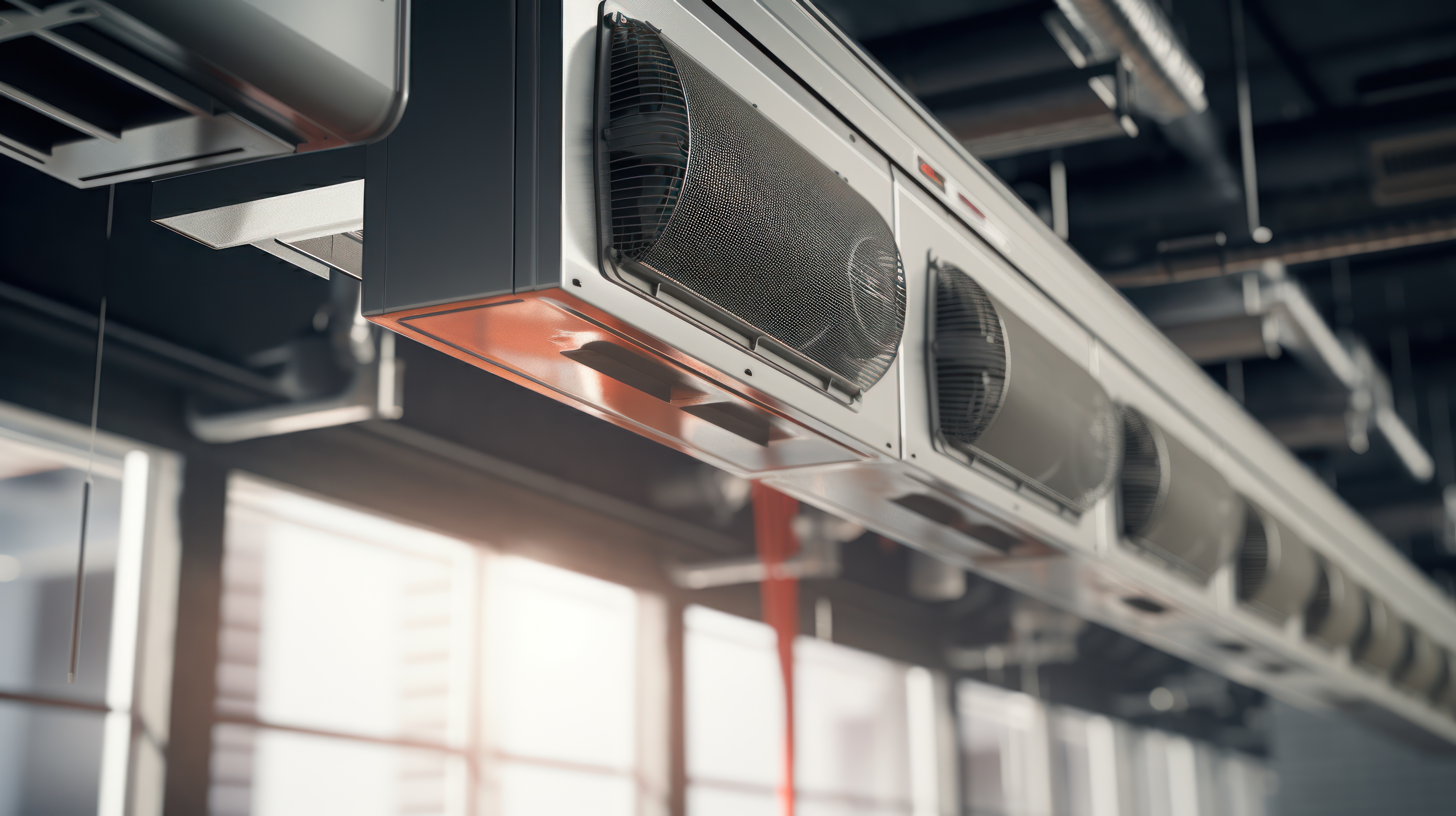
Heating, ventilation and air conditioning (HVAC) systems.
-
Domestic hot and cold water systems.
-
Commercial gas installations.
-
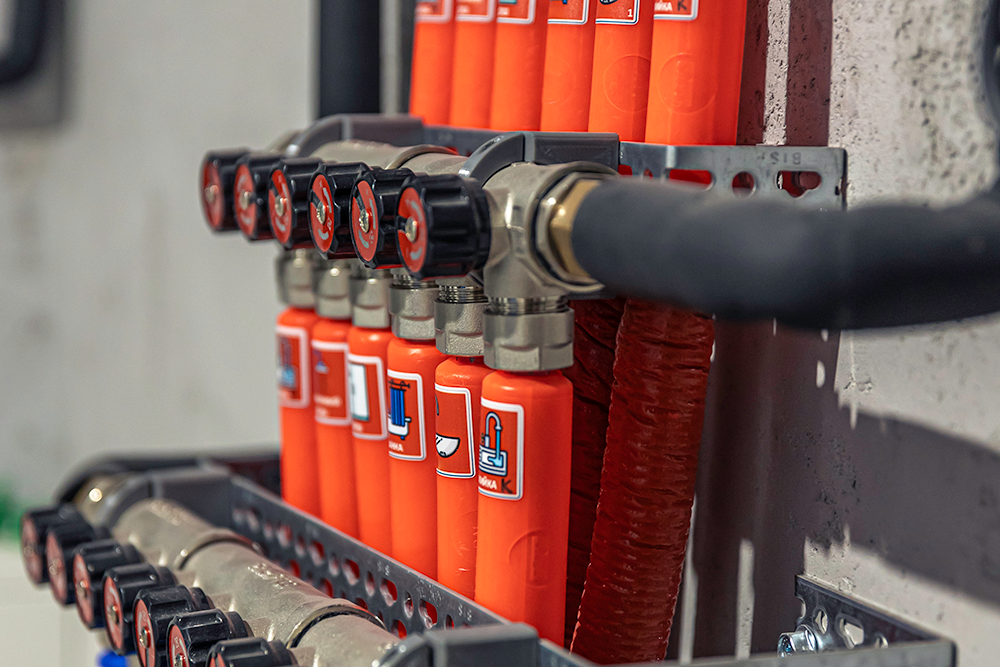
Energy centres and communal heating networks.
-
Mechanical drainage and pumping systems.
-
Building management systems and associated controls.
-
Water treatment and hygiene systems.
Effective commissioning considers how individual systems perform and how they interact with other building services under different operating conditions.
When should mechanical commissioning begin?
One of the most common mistakes on construction projects is treating commissioning as a standalone activity that takes place immediately before handover.
Commissioning requirements should inform decisions throughout the design, procurement and installation stages of a development.
Early collaboration between mechanical contractors, consultants and principal contractors allows teams to identify potential challenges, establish testing requirements and allocate sufficient time within the construction programme.
Considerations such as equipment accessibility, isolation valves, maintenance clearances and system measurement points can all influence the commissioning process.
Addressing these requirements early can reduce the likelihood of costly remedial works later in the project.
Mechanical commissioning and handover checklist
1. Confirm design and installation requirements
Before commissioning begins, mechanical installations should be reviewed against the approved design documentation and project specifications.
This includes confirming equipment specifications, reviewing installation quality and identifying any outstanding works that could prevent successful testing.
Any significant changes made during construction should also be reflected in the relevant technical documentation.
2. Complete pre-commissioning checks
Pre-commissioning activities help establish whether mechanical systems are ready for operational testing.
Depending on the installation, these may include:
-
Pressure testing pipework.
-
Flushing and cleaning water systems.
-
Checking equipment installation and connections.
-
Verifying electrical supplies and control interfaces.
-
Inspecting valves, filters and access points.
-
Confirming relevant safety requirements have been met.
Completing these checks systematically helps protect equipment and reduces the risk of avoidable failures during commissioning.
3. Test and balance HVAC systems
Heating, ventilation and air conditioning systems must be capable of delivering the environmental conditions specified within the building design.
Commissioning typically involves measuring airflow and water flow rates, balancing distribution systems, checking temperature controls and verifying equipment operation.
For larger residential and commercial developments, achieving consistent performance across multiple floors, zones or individual units can be particularly challenging.
Properly commissioned HVAC systems can improve occupant comfort, reduce unnecessary energy consumption and support the long-term reliability of mechanical equipment.
4. Verify water hygiene and treatment
Domestic water systems require particular attention before a building becomes occupied.
Extended periods of inactivity during construction can create water hygiene risks, making appropriate flushing, cleaning, disinfection and testing essential where required.
Water treatment requirements for closed heating and cooling systems should also be addressed to help minimise corrosion, contamination and deterioration.
A coordinated approach to water hygiene and treatment can protect both building occupants and the mechanical infrastructure itself.
5. Check controls and integrated system performance
Modern buildings increasingly rely on integrated controls to manage heating, cooling, ventilation and energy consumption.
Individual items of equipment may operate correctly in isolation but fail to deliver the intended performance when connected to wider building systems.
Integrated testing should verify relevant operating sequences, temperature setpoints, alarms, scheduling functions and safety interlocks.
Mechanical contractors should coordinate with electrical and controls specialists to identify and resolve interface issues before handover.
6. Resolve defects and outstanding works
A structured approach to snagging helps prevent unresolved mechanical issues from being transferred to building owners and facilities management teams.
Principal contractors should maintain clear records of outstanding items, assigned responsibilities and completion requirements.
Where defects affect system performance, further testing may be necessary following remedial works.
Maintaining clear communication between contractors throughout this stage can help protect the construction programme and reduce post-completion callouts.
7. Prepare comprehensive handover documentation
Mechanical handover should provide building operators with the information they need to operate and maintain installed systems effectively.
Depending on the project, documentation may include:
-
Operation and maintenance (O&M) manuals.
-
As-built drawings.
-
Commissioning reports and test certificates.
-
Equipment specifications and warranties.
-
Maintenance schedules.
-
Water treatment and hygiene records.
-
Relevant compliance documentation.
Preparing documentation progressively throughout construction, rather than leaving it until the final weeks, can make the handover process considerably more efficient.
8. Provide training for building operators
Even a successfully commissioned mechanical installation can underperform if those responsible for its operation are unfamiliar with the equipment.
Facilities management teams should receive appropriate training covering system operation, routine maintenance, controls, alarms and emergency procedures.
Where applicable, seasonal commissioning and post-occupancy reviews can also help optimise system performance once the building is operating under representative conditions.
Common mechanical commissioning challenges
Mechanical commissioning frequently takes place during one of the busiest stages of a construction project, when multiple contractors are working towards the same completion date.
Common challenges include incomplete electrical installations, delayed permanent utility connections, restricted access to equipment, late design changes and insufficient time allocated for testing.
Other issues can arise when commissioning responsibilities are unclear or when individual building services are tested without adequate consideration of their wider interactions.
Principal contractors can mitigate these risks through early planning, realistic programme allowances and regular coordination with specialist mechanical contractors.
The importance of commissioning for long-term energy efficiency
With building owners increasingly focused on operational expenditure and environmental performance, mechanical commissioning has an important role to play beyond practical completion.
Incorrect flow rates, poorly configured controls and inefficient operating schedules can all contribute to unnecessary energy consumption.
A building may incorporate highly efficient mechanical equipment, but its actual performance depends on how effectively that equipment is installed, commissioned and operated.
Effective commissioning helps bridge the gap between predicted design performance and real-world operation, supporting lower running costs and more reliable building services.
Working with an experienced mechanical services contractor
Successful mechanical commissioning begins long before the final stages of construction.
At Balance Mechanical, we deliver specialist mechanical building services for commercial and residential developments, supporting projects through design, installation and commissioning.
Our expertise across HVAC, energy centres, commercial gas, drainage and water treatment allows us to take a coordinated approach to complex mechanical installations.
By working closely with principal contractors, developers and consultants, we help identify potential challenges, maintain installation quality and support an efficient handover process.
Whether you are delivering a large-scale residential development, commercial refurbishment or complex mixed-use scheme, our team can support your mechanical building services requirements.
Contact Balance Mechanical to discuss your next project.